
PLASTIC MICROFIBRES
- OMH

- Jan 9, 2020
- 4 min read
Updated: Apr 3, 2020

“(1)90% of the debris was microfibres - Both in freshwater and the
ocean.”
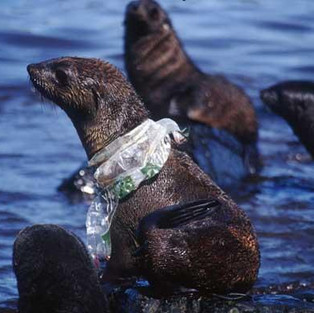
(2)Studies show that human waste washing up on shorelines is 85% microfibres, this is because they are in everything from cloths, mops to clothing and then of course plastic bottles, containers and so on. We all know the huge problem regarding waste ending up in the ocean, (3)more than 100 million marine animals are killed every year from plastic which is horrifying. Animals will swim into a path of this rubbish and choke or get strangled by it, plastic is also toxic so it contaminates food and water as well. (4) Microfibres might be small but the sheer quantity of how many there are is shocking, around 10% of U.S households produce as much as 30,000,000 plastic bottles of these fibres a year, which equates to enough plastic bottles to stretch from New York to London... That is 10% of the U.S alone! If you scale it up then well, we can travel to many other places on plastic bottles.




Through my research into fast fashion I have realised that the plastic microfibres used in clothes due to their 'positive' properties are another huge problem coming from fast fashion and the use of very cheap clothes and industry waste going into the ocean. Each wash of clothing releases these fibres, (5) on items such as synthetic jackets they can release up to nearly 2 grams of them in a wash and they then travel down through the washing machine into the drains and into the ocean. Here is how it works:

"(6) Synthetic microfibre are particularly dangerous because they have the
potential to poison the food chain.”
This means we are literally eating our own clothes. The small fibres go into the sea like any other plastic but the fibres are not as noticeable to say a plastic beer can holder where the impact of this floating around in sea can be deadly in minutes if an animal crosses its path. But the fibres are a far longer-term threat where they are interfering and poisoning the food chain of the sea which we have all learnt to love and enjoy. Whether it is being fond of sea creatures on a plate, studies suggesting that a fish-based diet is extremely healthy and reduces the amount of deaths from diet based diseases if the public swap from meat to fish. Or if you prefer to see them from afar and appreciate them in a different way you should know that, (7) microfibres are attacking and poisoning smaller fish which in turn, get eaten by bigger fish. The fibres are then able to accumulate inside the fish and will cause health problems such as stunting in growth other time and disease to the tissue of the fish... Which we are then meant to be eating?
"(8) A high exposure risk in terms of numbers. It could be a potential alarm
call for sure”.
(9) According to studies people eat at least 50,000 plastic particles a year, I say at least because barely any of our food groups have been tested only 15% of our calorie intake has been scientifically tested. We may not be feeling the plastic doing much to us, but some particles are big enough to penetrate human tissue which can cause immune reactions. As of yet there are no known health effects of this but remember the studies are so small there are such large holes in this investigation that it is very hard to say... Which is comforting.
On a happier note there are companies working to help this issue, such as:
Both trying to halt the process of the fibres coming from the clothing into the water from the wash, (10) guppy friend catching as much as 90% every time which is very impressive.
image references
https://www.media-marketing.com/en/news/animals-are-tortured-by-plastic-in-new-campaign-from-sea-shepherd/
https://mission20.org/plastic-a-good-way-to-poison-ourselves/
https://en.guppyfriend.com
fact references
1. Carrington, D., 2020. People Eat At Least 50,000 Plastic Particles A Year, Study Finds. [online] the Guardian. Available at: <https://www.theguardian.com/environment/2019/jun/05/people-eat-at-least-50000-plastic-particles-a-year-study-finds> [Accessed 3 April 2020].
2. Carrington, D., 2020. People Eat At Least 50,000 Plastic Particles A Year, Study Finds. [online] the Guardian. Available at: <https://www.theguardian.com/environment/2019/jun/05/people-eat-at-least-50000-plastic-particles-a-year-study-finds> [Accessed 3 April 2020].
3. The ASEAN Post. 2020. Death By Plastic Waste. [online] Available at: <https://theaseanpost.com/article/death-plastic-waste> [Accessed 3 April 2020].
4. Cora Ball. 2020. Cora Ball - The World's First Microfiber Catching Laundry Ball. [online] Available at: <https://coraball.com> [Accessed 3 April 2020].
5.Npr.org. 2020. NPR Choice Page. [online] Available at: <https://www.npr.org/sections/thesalt/2017/02/06/511843443/are-we-eating-our-fleece-jackets-microfibers-are-migrating-into-field-and-food?t=1585918413516> [Accessed 3 April 2020].
6.Messinger, L., 2020. How Your Clothes Are Poisoning Our Oceans And Food Supply. [online] the Guardian. Available at: <https://www.theguardian.com/environment/2016/jun/20/microfibers-plastic-pollution-oceans-patagonia-synthetic-clothes-microbeads> [Accessed 3 April 2020].
7.Messinger, L., 2020. How Your Clothes Are Poisoning Our Oceans And Food Supply. [online] the Guardian. Available at: <https://www.theguardian.com/environment/2016/jun/20/microfibers-plastic-pollution-oceans-patagonia-synthetic-clothes-microbeads> [Accessed 3 April 2020].
8. Messinger, L., 2020. How Your Clothes Are Poisoning Our Oceans And Food Supply. [online] the Guardian. Available at: <https://www.theguardian.com/environment/2016/jun/20/microfibers-plastic-pollution-oceans-patagonia-synthetic-clothes-microbeads> [Accessed 3 April 2020].
9. Carrington, D., 2020. People Eat At Least 50,000 Plastic Particles A Year, Study Finds. [online] the Guardian. Available at: <https://www.theguardian.com/environment/2019/jun/05/people-eat-at-least-50000-plastic-particles-a-year-study-finds> [Accessed 3 April 2020].
10. Guppyfriend Shop | Europe | Global. 2020. GUPPYFRIEND Washing Bag Online Shop | STOP! Micro Waste. [online] Available at: <https://en.guppyfriend.com> [Accessed 3 April 2020].


Comments